
Exion Face is a non-surgical Exion treatment option that uses a face applicator to deliver controlled energy through the skin surface. An Exion Face treatment may be discussed for patients who want a device-based option to address concerns such as skin texture, hydration, and early changes in skin firmness, with a plan tailored to the treatment area and individual clinical factors.
Consultation is the first step, because skin history, medications, and previous treatments can affect suitability, settings, and aftercare. This also allows time to discuss risks, expected skin responses, and alternative options.
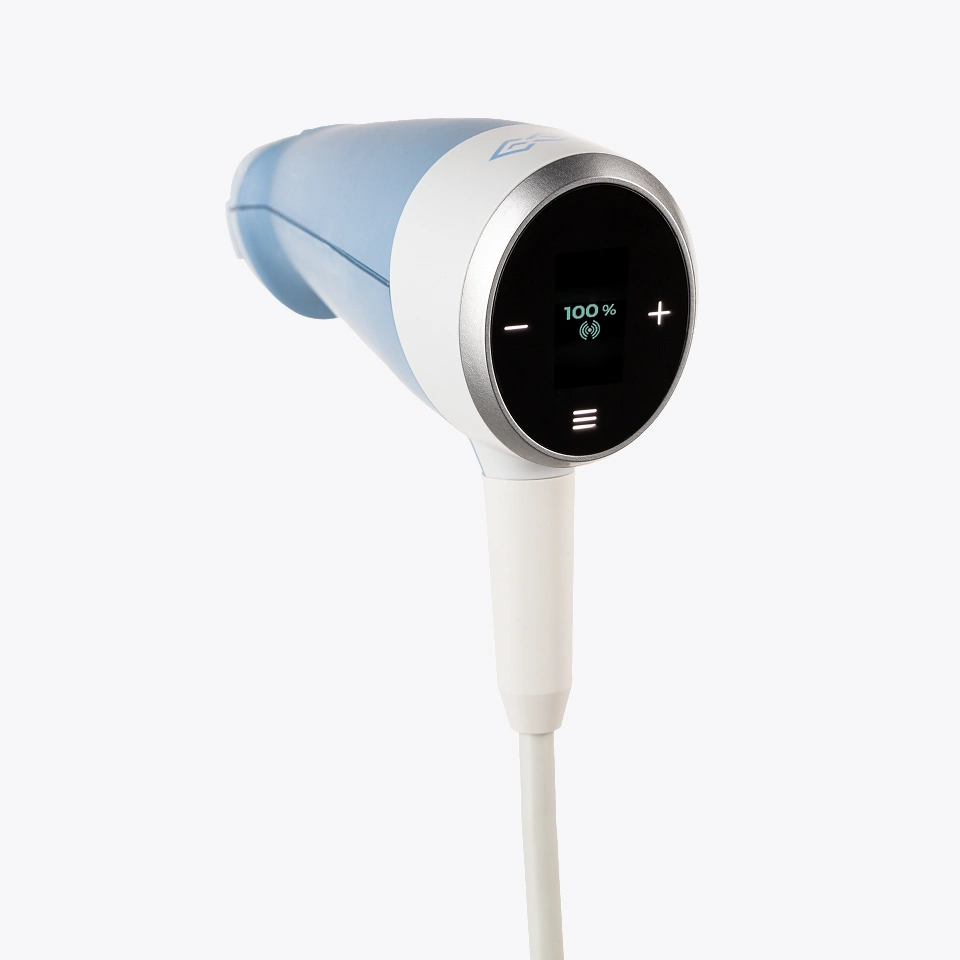
How Exion Face Works
Exion Face delivers controlled energy to targeted tissue layers. This gently warms the deeper layers of the skin, which can support processes linked to skin structure and hydration, including collagen and elastin.
Because changes build over time, Exion Face is usually done as a series of sessions rather than a single visit. The number of sessions and the time between them are discussed at the consultation.
Concerns That May Be Addressed
Exion Face may be considered for concerns such as:
- Fine lines
- Skin texture changes
- Reduced skin hydration
- Early changes in skin firmness
Not every concern suits a device-based approach. If the main issue involves a larger structural change (for example, significant upper eyelid skin excess or more noticeable changes in the neck), other options may be discussed so the plan matches the concern being assessed.
Areas That May Be Treated
Treatment areas depend on assessment and may include:
- Cheeks and mid-face zones
- Lower face and jawline area
- Perioral area (around the mouth)
- Periorbital area (around the eyes)
- Forehead
- Neck
- Decolletage
- Hands
If you have a specific area you want assessed, raise it during consultation so it can be reviewed as part of the plan.

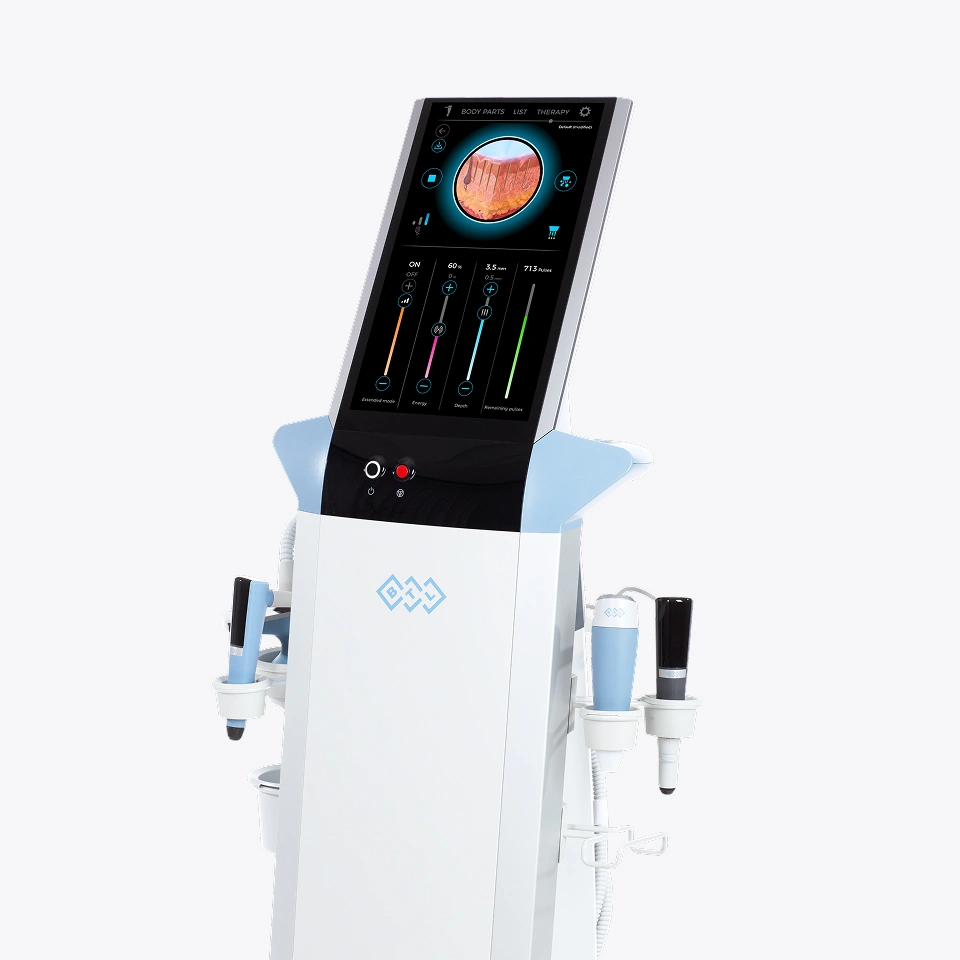
Risks And Considerations
Exion Face is an energy-based treatment, and risks should be discussed clearly before you proceed. Potential risks and side effects can include:
- Redness, swelling, and sensitivity
- Irritation or flare of a pre-existing skin condition (uncommon)
- Pigment changes (uncommon)
- Blistering or burns (rare)
There are also situations where treatment may need to be delayed or avoided, such as pregnancy, breastfeeding, active skin infection, or active inflammation in the planned treatment area. If you have a history of pigment change, eczema/dermatitis, rosacea-type flushing, or cold sores, mention this during consultation so it can be considered in planning.
Exion Face FAQs
How long does an Exion Face treatment take?
Session time depends on the size of the treatment area and the protocol used. This is confirmed at the consultation, so you know what to expect on the day. In general 15-20 minutes for specific areas.
What does the treatment feel like?
A warming sensation is common during treatment. Sensation varies, and settings can be adjusted during the session if the heat feels too intense.
Do I need to do anything before my appointment?
You may be asked to arrive with clean skin and avoid skincare products such as oils, perfumes, or heavy moisturisers on the treatment area. If the treatment area includes hair-bearing skin, you may be asked to shave the area beforehand.
Can I wear makeup after my appointment?
This depends on your skin response and the aftercare advice provided. If the skin is red or sensitive, you may be advised to delay makeup for a period of time (eg. 24 hours)
Can Exion Face be done if I have sensitive skin?
Sensitive skin can still be assessed for suitability, but the consultation needs to cover your skin history, triggers, and previous reactions to treatments. Settings and aftercare may need adjustment based on this history.
What if I have a skin condition such as eczema or rosacea?
If you have an active flare or inflammation in the treatment area, treatment may need to be delayed. This is assessed during consultation so the plan matches your current skin condition.
Can I return to work after treatment?
This depends on your skin response and whether redness or swelling is noticeable. If you prefer to minimise visibility of post-treatment redness, consider allowing some flexibility in your schedule after the first session. In general, there is minimal swelling and redness and one can return to work post the treatment.
How do I know if Exion Face is a suitable option for me?
A consultation is needed to assess your skin, discuss your concerns, and decide whether Exion Face suits the area and concern being addressed. The consultation should also cover alternatives and risks so you can make an informed decision.
Why Choose Dr Ed for Exion Face in Melbourne
Dr Ed Omarjee is a cosmetic physician who offers treatments across metropolitan Melbourne and Northern Country Victoria. He is a Fellow of the Royal Australian College of General Practitioners (FRACGP), and a Fellow of the Cosmetic Physicians College of Australasia (CPCA) and the Australasian College of Aesthetic Medicine (ACAM). His training includes skin surgery, laser therapy, and dermatoscopy, supporting careful assessment and treatment planning for device-based treatments such as Exion Face. He has been performing non surgical cosmetic based treatments for over 20 years.
For Exion Face in Melbourne, Dr Ed Omarjee starts with a skin assessment and a review of your medical and skin history, including any previous treatments in the area. He then talks through whether Exion Face is suitable, the risks and aftercare, and what a session plan can look like, including the number of visits and the time between them.


